
Partisans is a Toronto architecture studio known for sculptural, computationally driven spaces that look unlike anything else in the city. Founded in 2012 by Alexander Josephson and Pooya Baktash, the practice earned the Ontario Association of Architects (OAA) Best Emerging Practice award in 2015. Its most talked-about work spans a Georgian Bay sauna and a carved mahogany bar in Little Italy.
If you only know two Partisans projects, they’re probably Grotto Sauna and Bar Raval. Both show what makes the studio distinctive: form that feels carved rather than constructed, and a willingness to push fabrication tools further than most local firms. Here’s who they are, how they work, and why Partisans matters to Toronto design.
Who founded Partisans, and where did the studio come from?
Partisans was founded in 2012 by Alexander Josephson and Pooya Baktash, and the Toronto studio moved quickly from emerging talent to recognized voice. In 2015, just three years in, the practice won the OAA Best Emerging Practice award. That early recognition signalled a studio willing to take formal risks most young firms avoid.
The name itself reads like a thesis. “Partisans” suggests advocacy and a point of view, not neutral service. From the start, Josephson and Baktash positioned the studio around ideas first, then buildings, which is part of why their early projects drew outsized attention for a young firm.
That stance matters in a city where a lot of architecture plays it safe. Partisans built a reputation on the opposite instinct: ask what a space could feel like, then work out how to make it. The OAA award gave that approach institutional backing early.
What is Partisans’ design approach?
Partisans works in a sculptural, computational mode, treating buildings and interiors as forms to be shaped rather than boxes to be filled. The studio leans on digital design and fabrication tools to produce curves, carved surfaces, and continuous geometries that conventional construction rarely attempts. The result reads as one sculpted gesture instead of assembled parts.
What does “computational” actually mean here? In practice, it’s design driven by software that lets architects model complex, non-repeating shapes and then translate them into something a fabricator can build. That pipeline, from screen to fabricated object, is central to how Partisans achieves its signature surfaces.
The throughline across their work is sculpture. A Partisans space tends to feel hand-carved at architectural scale, with light, material, and form doing the heavy lifting. It’s an approach that rewards craft and computation in equal measure, and it sets the studio apart from Toronto’s more orthogonal mainstream.
What are Partisans’ signature projects?
Two projects define the Partisans reputation: Grotto Sauna and Bar Raval. Both arrived early in the studio’s life and both became reference points in Canadian design conversation. They share a sculptural sensibility but live in completely different settings, a private island and a busy Toronto street.
Grotto Sauna
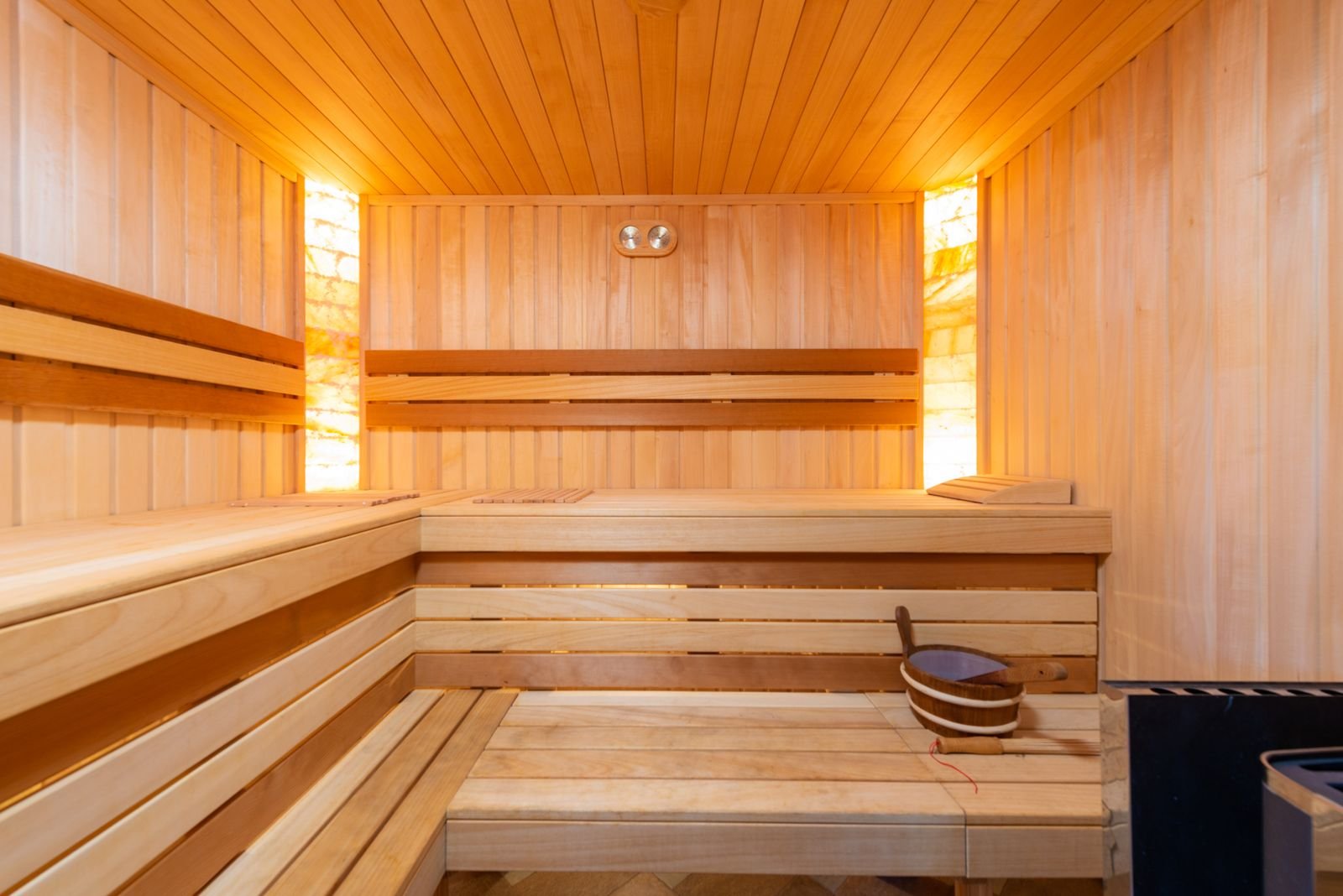
Grotto Sauna sits on a private island in Georgian Bay, and it’s the project that put Partisans on the international map. The studio shaped the interior to feel like a carved cavern, a continuous flowing surface rather than a simple timber room. It’s the clearest demonstration of the studio’s sculptural, computational method applied to a small, intense space.
The Georgian Bay setting does real work here. Set against rock and water, the sauna reads as an extension of the landscape, which is exactly the kind of site-specific gesture the studio favours.
Bar Raval
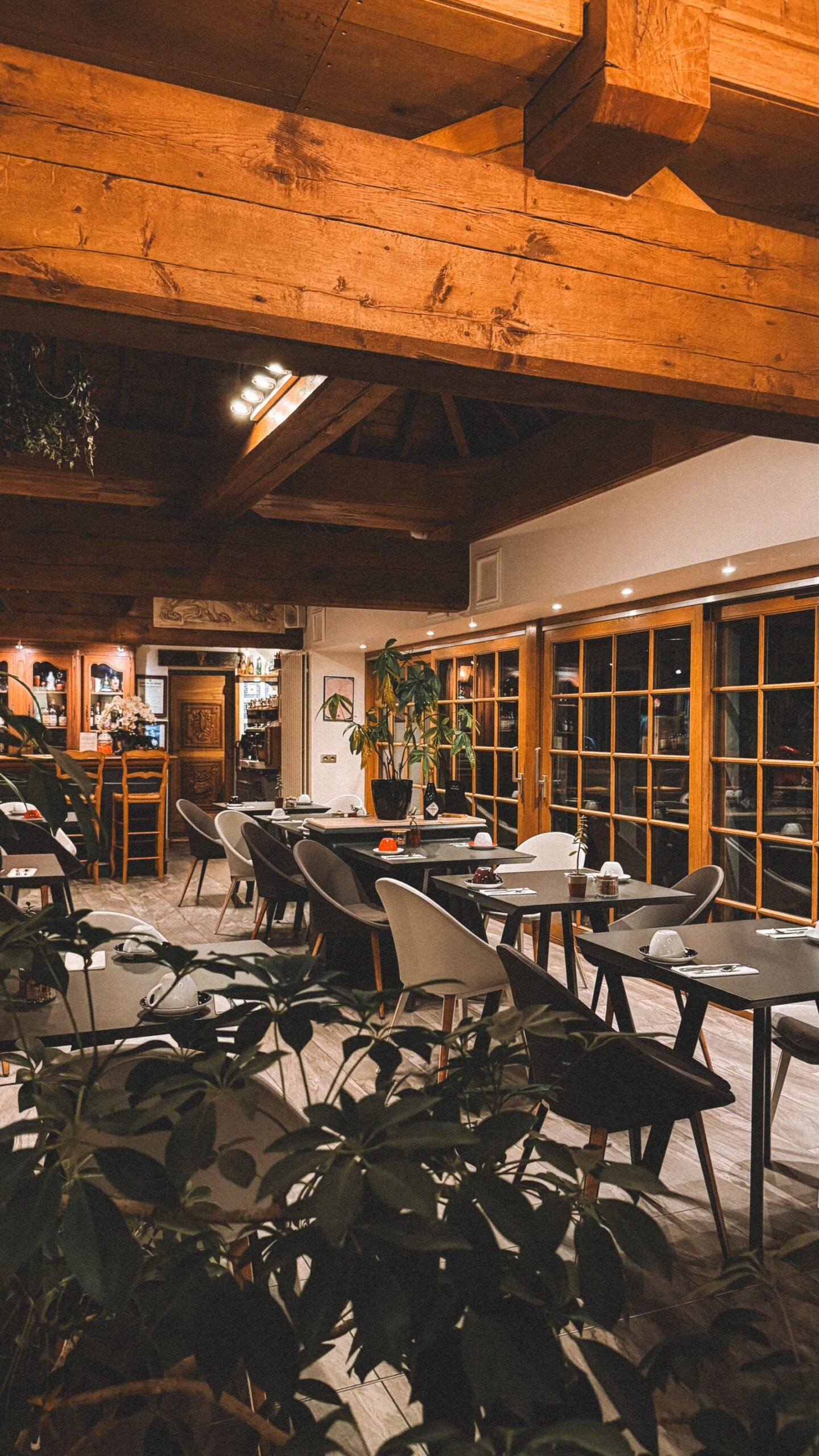
Bar Raval brought the Partisans approach into Toronto’s Little Italy, with a carved mahogany interior designed for chef and restaurateur Grant van Gameren. The wood flows across walls, ceiling, and fixtures as a single sculpted surface, turning a tapas-and-pintxos bar into a piece of architecture people travel to see.
It’s also the project most Torontonians can actually walk into. Where Grotto Sauna is private, Bar Raval is a public room, which made it the studio’s calling card for anyone wanting to experience the work first-hand.
Why does Partisans matter to Toronto design?
Partisans matters because it proved a Toronto studio could win recognition, the OAA Best Emerging Practice award in 2015, on the strength of formal ambition rather than scale. Founded in 2012 by Josephson and Baktash, the practice showed that sculptural, computational design could move from concept to built, photographed, widely discussed reality in this city.
The influence is partly about permission. By making spaces like Grotto Sauna and Bar Raval, Partisans expanded the sense of what local architecture could attempt. That’s valuable in a market where developer-driven repetition tends to set the visual baseline.
For readers tracking the city’s design scene, Partisans is essential context. The studio sits in a small group of Toronto practices pushing form hardest, and its early projects remain touchstones for how sculptural thinking can land in real, usable space.
Want more on the firms shaping the city? Start with our guide to Toronto architecture, then see where Partisans lands among the best architecture firms in Toronto.
Frequently asked questions about Partisans architecture Toronto
Who are the founders of Partisans?
Partisans was founded in 2012 by Alexander Josephson and Pooya Baktash. The Toronto studio established its reputation quickly, winning the Ontario Association of Architects (OAA) Best Emerging Practice award in 2015, just three years after launching.
What kind of architecture does Partisans do?
Partisans works in a sculptural, computational style. The studio uses digital design and fabrication tools to create carved, flowing forms in both buildings and interiors, treating spaces as continuous sculpted surfaces rather than conventional rectangular rooms.
What is Partisans best known for?
Partisans is best known for Grotto Sauna, a sculpted retreat on a private Georgian Bay island, and Bar Raval, a carved mahogany bar in Toronto’s Little Italy created for restaurateur Grant van Gameren. Both showcase the studio’s sculptural approach.
Can you visit a Partisans project in Toronto?
Yes. Bar Raval in Little Italy is a public bar, so you can experience the studio’s carved mahogany interior in person. Grotto Sauna, by contrast, is a private project on a Georgian Bay island and is not open to the public.