The short answer: if you want to understand how Toronto designs, start with three practices. DesignAgency built the city’s hospitality reputation, Studio Munge built its appetite for atmosphere, and Burdifilek built the retail precision that global brands buy Toronto for. None of them is the whole story. Together they explain most of it.
This is not a ranking, and it is not a list of the biggest firms. It is a starter map for reading Toronto work: three studios with distinct, repeatable points of view, each with projects you can go and stand inside.
Key takeaways
- DesignAgency, founded in Toronto in 1998, now runs offices in Barcelona, Los Angeles, Washington and Singapore, and placed 22nd on Interior Design’s 2025 Hospitality Giants list.
- Studio Munge grew out of Munge Leung, founded 1997, and rebranded under Alessandro Munge in 2015. Its INK Entertainment work defined a decade of Toronto nightlife design.
- Burdifilek, founded 1993 by Diego Burdi and Paul Filek, is the retail specialist, with the Holt Renfrew series as its most influential body of work.
- The three connect: Alessandro Munge and Sai Leung met while working at Yabu Pushelberg, the Toronto practice that seeded much of this lineage.
- Read a studio by its repeatable decisions, not its best photograph.
How do you read a design studio’s portfolio?
Look for the choices that repeat. A single striking room can be the client’s budget or the photographer’s morning. A point of view shows up as consistency: the same attitude to proportion, the same discipline about material, the same willingness to leave one thing alone.
Toronto work in particular tends to look calm and rarely is. The restraint is the result of a lot of controlled decisions about sightlines, joinery and light. When you are standing in a good Toronto room, the question worth asking is what got taken out.
DesignAgency: hospitality at scale
DesignAgency was founded in Toronto in 1998, originally as Precipice Studios, by Matt Davis, Allen Chan and Anwar Mekhayech. It is now a genuinely international practice, with the Toronto head office joined by Barcelona, Los Angeles, Washington DC and, since June 2026, Singapore.
Hospitality is the through line: hotels, restaurants, members’ clubs and the residential work that borrows from them. The studio placed 22nd on Interior Design’s 2025 Hospitality Giants ranking and appeared on Forbes’ list of America’s top hospitality architects and designers for 2026.
Recent work makes the range clear. The Four Seasons Hotel Toronto and Abrielle landed in 2024. Pendry Natirar in New Jersey followed in 2025 and was named to the AHEAD 100 Best New Hotel Openings of 2025. The Ritz-Carlton Key Biscayne reopened on 8 December 2025 with DesignAgency lobby and common areas after a renovation reported at $100 million. Closer to home, Mystic in Halifax topped Air Canada’s Best New Restaurants list in 2025, and Book Bar opened in Mirvish Village in 2026.
What to look for: narrative that survives contact with operations. Hotels and restaurants are endurance tests. Light shifts across the day, finishes get touched constantly, and staff have to work the room. DesignAgency interiors tend to read as lived-in rather than staged, which is a harder result than it sounds.
Studio Munge: atmosphere as the product
Alessandro Munge co-founded Munge Leung in 1997 with Sai Leung. The two had met working at Yabu Pushelberg. The partnership ended and the practice rebranded as Studio Munge in 2015, with Toronto as the base and Miami as the second office.
If DesignAgency is about narrative, Studio Munge is about atmosphere: rooms engineered for a specific feeling at a specific hour. The long relationship with Charles Khabouth and INK Entertainment produced the clearest single body of work shaping Toronto’s nightlife design reputation, from the Guvernment through Bisha Hotel and Residences, Cabana Pool Bar, Rebel, Sofia and Akira Back.
The current portfolio runs to ultra-luxury hospitality and residential: 138 Yorkville, No. 7 Dale and 50 Scollard in Toronto, Nobu Toronto, Sofia in the Miami Design District, the BKS speakeasy at Muir in Halifax, and a penthouse at the Ritz-Carlton Residences South Beach. Dates on the studio’s own portfolio reflect when work was published rather than confirmed completion, so treat any opening year you see quoted, here or elsewhere, as approximate.
What to look for: lighting as the primary material, and a controlled sense of drama. The work is theatrical without tipping into set design, which is the line most imitators fall over. We profiled the practice separately in our Studio Munge profile.
Burdifilek: retail precision
Burdifilek was founded in 1993 by Diego Burdi, the creative partner, and Paul Filek, the managing partner. It is a Toronto studio of roughly thirty-five people that global luxury brands hire for retail interiors, and it has collected more than 150 industry awards doing it.
The Holt Renfrew work is the most influential thing the studio has done, and the client list runs through Club Monaco, Joe Fresh, Capezio, Stratus Vineyards and W Hotels. The most recent Toronto project of note is the Ginger’s showroom, a 20,000 square foot flagship for ELTE’s luxury bath and kitchen brand, relocated to the second floor of the ELTE store in the Castlefield design district and commissioned by fourth-generation owners Andrew and Jamie Metrick. It was recognised in The Plan Award 2025 for interiors.
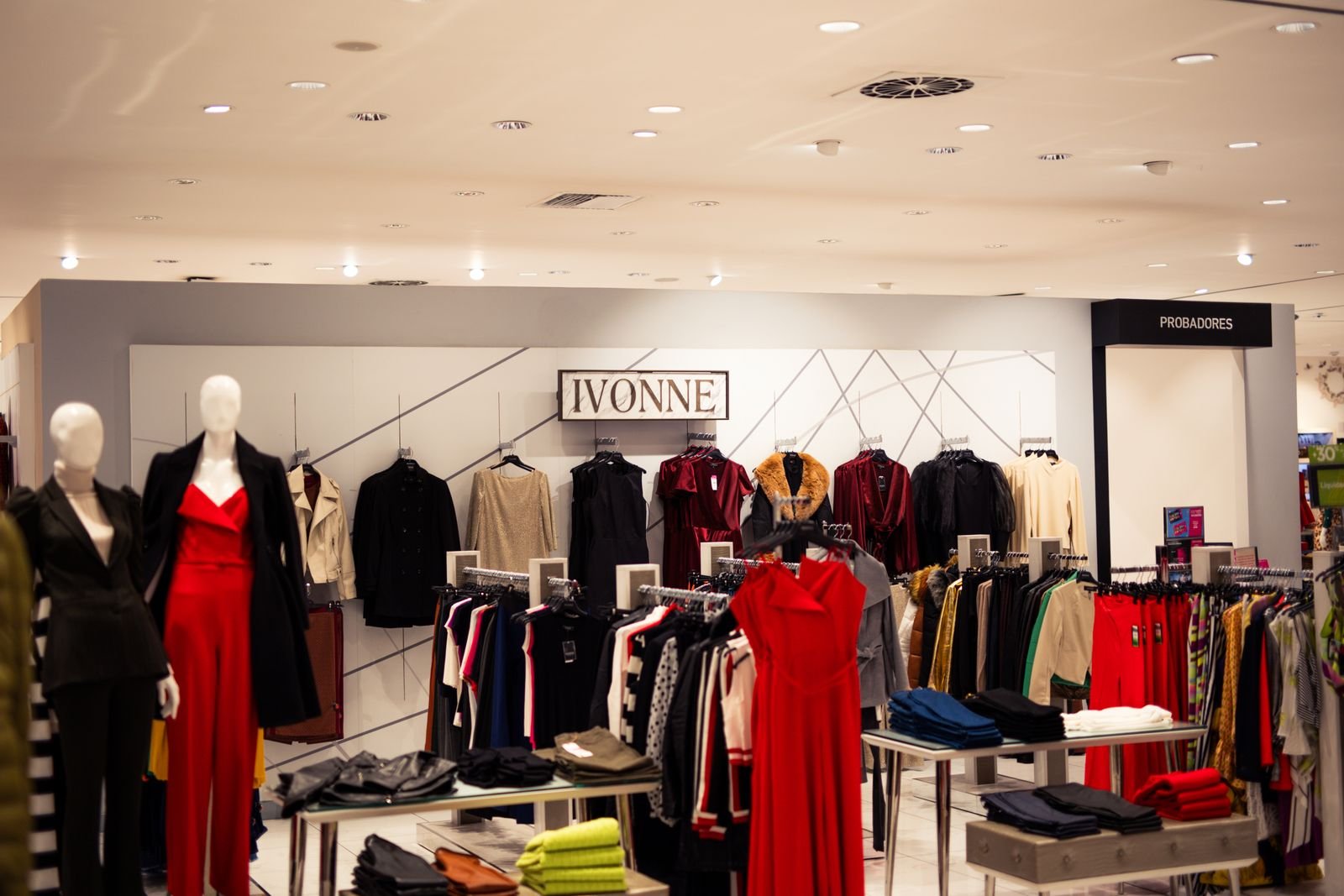
What to look for: circulation and sightlines doing the selling. Retail is the least forgiving typology in the business, because the client can measure whether the room worked. Burdifilek interiors are built around how a customer moves and what they see at each turn, and the detailing is where the money is visible.
Why these three, and who else matters?
The honest caveat: Yabu Pushelberg is the largest Toronto-founded name in the business and the common ancestor to part of this list, since Munge and Leung met there. The practice is now substantially New York-centred, which is why it sits here as lineage rather than as one of the three. We cover it in our Yabu Pushelberg profile.
Partisans, Mason Studio and II BY IV DESIGN all have real claims on a longer list. For architecture rather than interiors, start with our guide to the best architecture firms in Toronto, and for residential interiors see the best interior designers in Toronto.
| Studio | Founded | Known for | Where to see it |
|---|---|---|---|
| DesignAgency | 1998 | Hospitality at scale, international | Four Seasons Hotel Toronto; Book Bar, Mirvish Village |
| Studio Munge | 1997 as Munge Leung; rebranded 2015 | Atmosphere, luxury hospitality and residential | Bisha Hotel; Nobu Toronto; 138 Yorkville |
| Burdifilek | 1993 | Retail interiors for global brands | Holt Renfrew; Ginger’s showroom at ELTE |
If you want to walk the districts where a lot of this work sits, our design districts guide maps them, and the Ossington and Queen West guide covers the west-end retail strips.
Frequently asked questions
Who are the top interior design studios in Toronto?
For hospitality, DesignAgency, founded in Toronto in 1998 and ranked 22nd on Interior Design’s 2025 Hospitality Giants list. For luxury hospitality and residential atmosphere, Studio Munge, led by Alessandro Munge. For retail, Burdifilek, founded in 1993 and best known for its Holt Renfrew work. Yabu Pushelberg is the largest Toronto-founded name but now works substantially from New York.
Who designed Bisha Hotel in Toronto?
Studio Munge, as part of a long working relationship with Charles Khabouth and INK Entertainment that also produced Cabana Pool Bar, Rebel, Sofia and Akira Back. Alessandro Munge’s practice was founded as Munge Leung in 1997 and rebranded as Studio Munge in 2015.
What is DesignAgency known for?
Hospitality interiors at international scale: hotels, restaurants and members’ clubs. Recent work includes the Four Seasons Hotel Toronto in 2024, Pendry Natirar in New Jersey in 2025, the Ritz-Carlton Key Biscayne reopening in December 2025, and Book Bar in Mirvish Village in 2026. The studio opened a Singapore office in June 2026.
Which Toronto studio designs retail spaces?
Burdifilek is the city’s retail specialist, founded in 1993 by Diego Burdi and Paul Filek. Its Holt Renfrew series is the most influential of its projects, and its Ginger’s showroom for ELTE was recognised in The Plan Award 2025 for interiors.