Level Studio: A New Toronto Practice
Level Studio: A New Toronto Practice
A closer look at the founders, the aesthetic, and why this studio is quietly becoming a reference point for modern Toronto hospitality and retail.

A studio with a very Toronto sensibility: clean lines, strong material choices, and rooms that feel calm even when they are doing a lot.
Toronto has always had talented designers. What it has not always had is a steady stream of new studios that feel instantly “ready.” Level Studio reads like that: disciplined, current, and already operating with a recognizable point of view.
They sit in a sweet spot that is hard to pull off. Their work feels precise, but not sterile. Detailed, but not loud. The rooms are edited, with enough texture to feel lived in.
The quickest way to describe Level Studio: quiet confidence, crisp geometry, and materials that do not need explaining.
The founders and the “why”
Great studios usually start with a shared frustration. Level Studio’s origin story reads like that familiar moment: talented people who have done the work, learned the systems, and eventually decide they want to build a practice that reflects how they actually think.
The energy feels less like “new studio announcement” and more like “this has been happening for a while.” The work is composed. The branding is restrained. The portfolio choices are deliberate.
If you want the official background and project list, start with their site: levelstudio.ca. For third-party context, it’s worth scanning coverage in Canadian design media where available.
The aesthetic: clean, but not blank
There is a specific kind of Toronto “modern” that works in the real world. It is not European minimalism. It is not pure Scandinavian. It is a mix of crisp architecture with enough warmth to survive Canadian winters.
Level Studio leans into that: matte surfaces, restrained palettes, high-contrast moments, and an emphasis on proportion. You notice the way a door aligns with millwork, the way lighting is used to define zones, and the way a room is allowed to breathe.

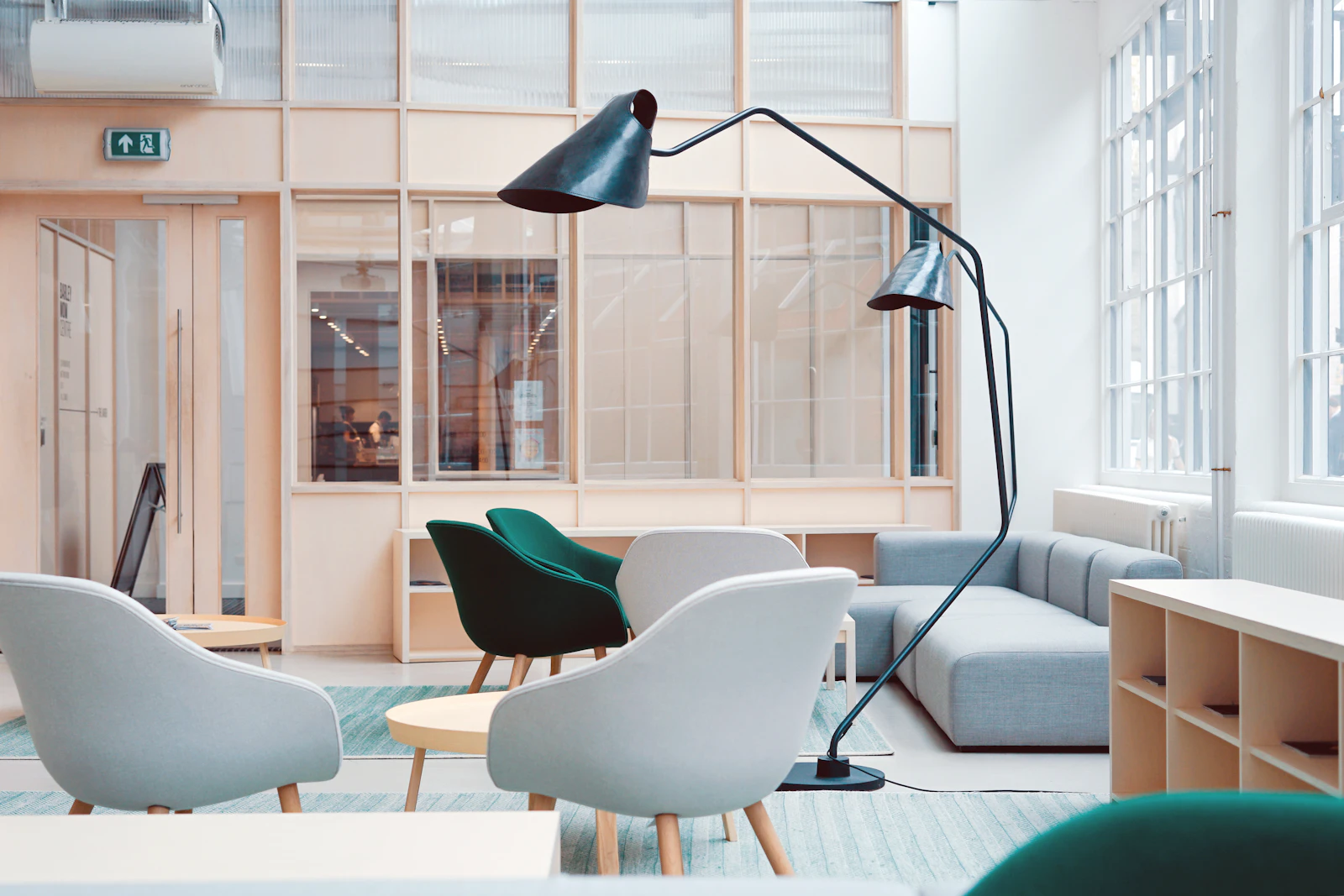
The “quiet flex” isn’t a flashy material. It’s the joinery and the alignment. If your eye doesn’t snag on anything, the designer did their job.
Where they shine: hospitality and retail
Hospitality design in Toronto is unforgiving. You need atmosphere, durability, and speed. You also need rooms that photograph well without looking like they were designed only for the photo.
The strongest Level Studio work carries a clear narrative. It doesn’t depend on a single gimmick. The rooms feel like they were edited down to essentials, then rebuilt with better materials and better lighting.

If you are a founder or operator, this is the key question: can a designer build atmosphere without building maintenance problems? The best studios can.
The 416 Edit: why this matters
Toronto is saturated with “nice.” What we pay attention to is intent. Level Studio’s work suggests a strong internal standard: the room should feel calm, the plan should make sense, and the details should not be accidental.
The bigger signal is consistency. When a young studio has a consistent point of view early, it usually means the systems behind the work are strong. That is how you scale without losing quality.
Our take: Level Studio is building the kind of practice that becomes a reference. Not because it’s loud, but because it’s controlled.
Know a Level Studio project we should add to this profile? Send it to info@the416edit.ca.